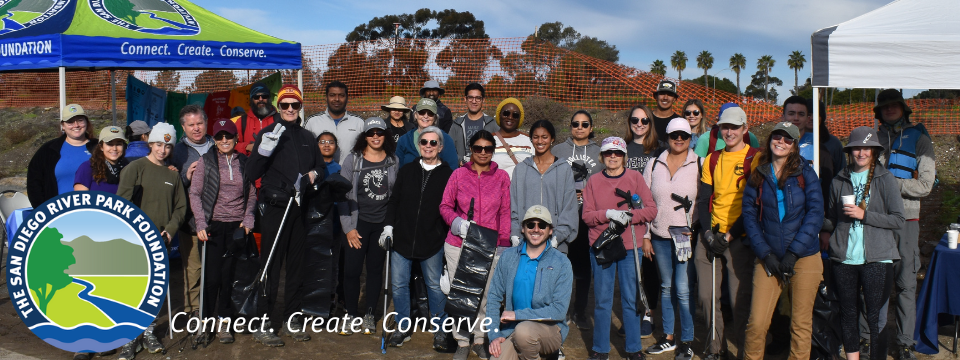


Join us for an exciting and crucial environmental survey focused on collecting environmental DNA (eDNA) samples across several tributaries to determine the presence of rare and elusive species, including rainbow trout, southwestern pond turtles, arroyo toads, and more. This hands-on event will involve hiking to remote backcountry locations to collect samples that could provide important insights into the health and distribution of these species.
What is eDNA?
eDNA refers to DNA that organisms leave behind in their environment, such as in water, soil, or air. This DNA can be collected from environmental samples, like water, to detect species without having to physically see or capture them. It’s a revolutionary technique for non-invasive monitoring of wildlife, especially for elusive species that are difficult to spot in the wild.
The Process:
On the day of the event, we will be using specialized equipment to collect eDNA samples. Volunteers will help set up a machine that pumps water through a filter. This filter will trap any DNA present in the water. Once the samples are collected, we will carefully ship the filters to a lab where they will be analyzed to detect DNA from the target species, helping us identify which animals are present in the area.
What to Expect:
This event will require hiking to some remote and backcountry locations. Please come prepared for a physical day outdoors. Wear sturdy hiking boots, long sleeves, long pants, and bring plenty of water and snacks to stay hydrated and energized. It’s important to be ready for varying terrain and a moderate hike.
Details:
- Location: Various tributaries (Meeting Point: Eagle Peak Ranch - 5030 Eagle Peak Rd, Julian, CA 92036)
- Duration: Full-day event, with moderate hiking involved
- Requirements: Ages 16+ (You should be comfortable hiking on rugged terrain)
- What to Bring: Water, snacks, sunscreen, hat, and sturdy hiking boots
This is a unique opportunity to contribute to the conservation efforts for some of the most rare and vulnerable species in the region. Your participation will play a key role in helping us gather critical data for their protection!